
STEM 發展如何塑造美國的科技企業優勢
STEM發展如何塑造美國的科技企業優勢
近年來,美國投資市場持續炙熱,出現了「Magnificent Seven」(七巨頭)的新興概念。這七間市值與增長都極為傑出的科技企業,相信同學們都不陌生:Alphabet (Google)、Amazon、Apple、Meta (Facebook)、Microsoft、NVIDIA 及 Tesla。為何美國能成為全球頂尖科技企業的搖籃?這些企業又是如何在競爭激烈的全球市場中脫穎而出?探討這個問題,我們需要從美國的STEM發展談起。
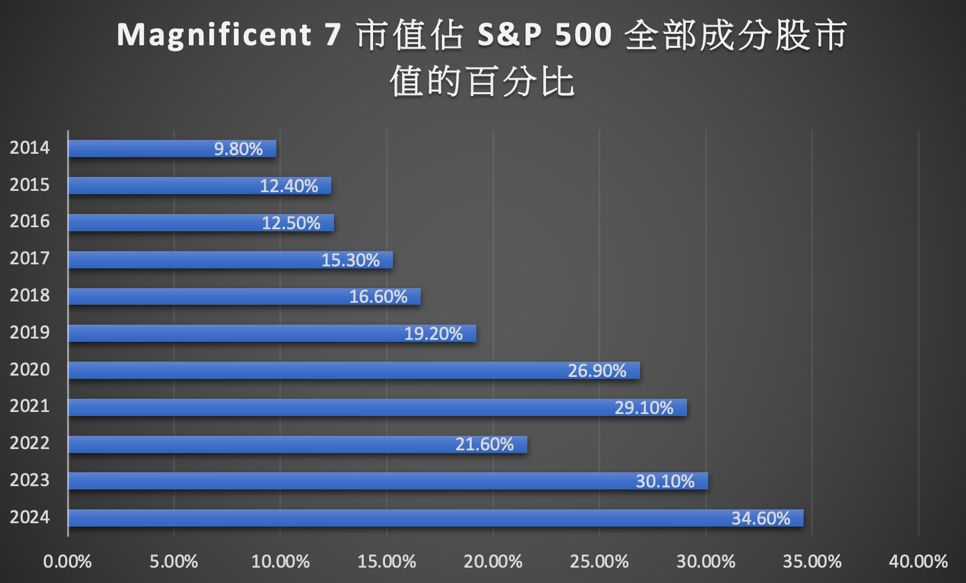
從教育政策到企業成長:美國STEM發展之路
這些公司之所以能快速壯大,很大程度上建基於多項關鍵技術收購。例如,Alphabet 收購 YouTube、DoubleClick 和 Android 等公司,鞏固了數位廣告與行動平台的主導地位;Amazon 收購 Whole Foods Market 及 Kiva Systems,強化了電子商務及物流服務。無數小型科技初創在美國如雨後春筍般湧現,發展出獨特技術後再被納入大型企業體系,由此可見美國的科技人才對推動經濟發展功不可沒。那麼,美國的教育政策在這過程中扮演了什麼角色?
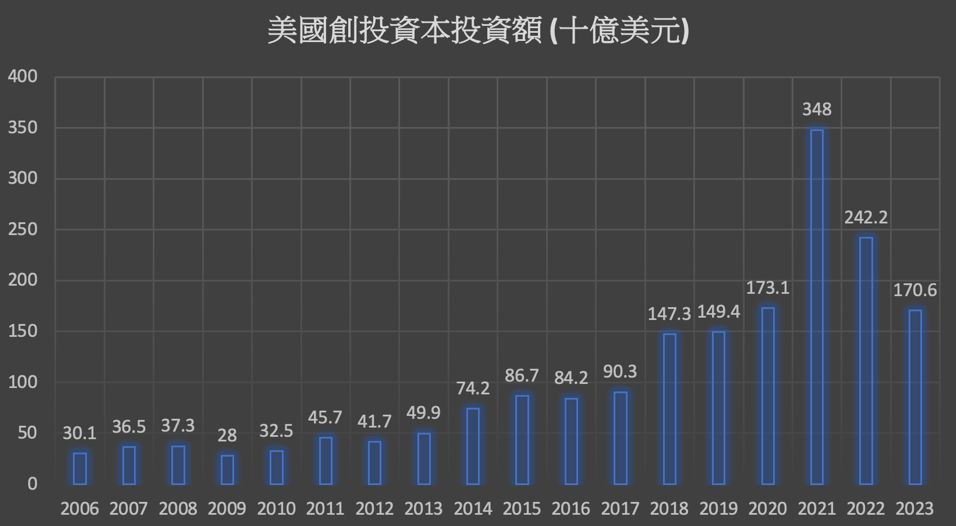
回顧歷史背景,美國在冷戰與太空競爭的氛圍下,於1980年代由一個教育委員會發表了具有里程碑意義的「A Nation at Risk」報告,強調科學與科技對國家競爭力的重要性。教育部門依照報告建議,在課程中逐步增強科學與技術元素,並引入電腦科學教育。也正是在這種時空背景下,「STEM (Science, Technology, Engineering, Mathematics)」的理念在教育界萌芽。2009年,奧巴馬總統更啟動了「Educate to Innovate」運動,號召企業、非政府組織和基金會等多方力量,共同推動STEM教育的發展。這些持續的教育投資為美國帶來了豐碩成果:美國商務部的研究指出,二戰後約75%的國家經濟增長來自科技創新。另有研究發現,STEM教育對科技創新至關重要,估計推動了90%的人均收入增長,而每增加10%的STEM本科學額更可帶來2.9%的GDP增長。
「七巨頭」的STEM應用實例
讓我們透過七巨頭的發展軌跡,從科學、科技、工程和數學四個維度,具體了解STEM教育如何為美國打造世界級的科技企業:
S 科學 (Science)
以電動車巨頭Tesla為例,電池科技是其核心競爭力。Tesla Roadster作為首款商業量產車,其出色的電池科學管理了6831顆鋰電池,讓它的加速與極速與跑車看齊,成為現代電動車的模範。除了電池組的創新設計,Tesla與Panasonic共同開發的2170型電池更為Model 3帶來突破,未來還將推出能量密度更高且成本更低的新型電池,勢必改變電動車市場格局。Tesla於2023年交付約180萬輛電動車,市佔率達20%,曾一度成為全球市值最高的企業。
T 科技 (Technology)
現今的智慧型手機越來越輕薄,功能卻越來越強大,這都歸功於半導體技術的突飛猛進。電晶體已微縮至3納米(nm),而這趨勢仍在持續。NVIDIA的轉型尤其引人注目,從最初的顯示卡製造商,憑藉 GPU 在 AI 運算領域的優勢,躍升為人工智能時代的領導者。2023年,其數據中心業務收入達150億美元,同比增長 41% 並創下歷史新高,使其成為2024年最受矚目的科技股。
E 工程 (Engineering)
Amazon展現了以運算思維解決商業難題的典範。Amazon 從解決客戶及商家所遇到的困難出發,發展成為全球最大的 B2C 電商平台。而為了應付龐大的伺服器及雲運算需求,Amazon 著力發展其雲端處理技術。目前 Amazon Web Services (AWS) 已為全球市佔率最高的雲端運算平台。 2023年,其電商淨銷售額突破5200億美元,不僅為全球中小企業打開國際市場的大門,更創造了可觀的經濟效益,充分體現了工程創新對商業模式的革新。
M 數學 (Mathematics)
Meta的成功展現了數學在現代商業中的關鍵作用。透過Facebook和Instagram這兩大社交平台,Meta不斷收集用戶數據,運用數學模型進行大數據分析,準確把握用戶興趣與行為模式。其精準的廣告投放技術協助中小企業觸達目標客群,2023年廣告收入達 1,384 億美元,佔總收入的98%。
而當我們談到STEM,不能忽視近年教育界推動的STEAM概念,其中的A (Arts)正可以從Apple的發展中得到印證。Apple的作業系統之所以備受推崇,關鍵在於其優秀的用戶介面設計與體驗(UX & UI)。這種藝術與科技的完美結合,使用戶自然而然地融入Apple生態系統,從iPhone擴展到MacBook、iPad與Apple Watch等產品。2023年,Apple全球營收超過3900億美元,其生態系統在全球創造了超過2,000萬個就業機會。
從七巨頭的成功歷程可見,美國透過長期的STEM教育投資,不僅培育了大量優秀的科技人才,更營造了有利於創新創業的商業環境。這種環境使初創企業能夠蓬勃發展,最終成長為全球科技巨擘。當STEM的技術突破開始商業化,更需要商業專才的參與,為創新技術找到市場定位。這正正體現了跨領域協作在現代商業發展中的重要性。作為商科的同學,深入理解STEM如何重塑現代營商環境,將有助於把握未來的發展機遇。
How STEM Development Shaped the Technological Advantage of US Enterprises
In recent years, the US investment market has remained red-hot, giving rise to the emerging concept of the "Magnificent Seven". Students are likely familiar with these seven tech giants, known for their outstanding market capitalization and growth: Alphabet (Google), Amazon, Apple, Meta (Facebook), Microsoft, NVIDIA, and Tesla. Why has the US become the cradle for the world's top technology companies? How do these enterprises stand out in a fiercely competitive global market? To explore this question, we must start with the development of STEM in the United States.
From Education Policy to Corporate Growth: The Path of US STEM Development
The rapid expansion of these companies is largely built upon key technological acquisitions. For instance, Alphabet acquired companies like YouTube, DoubleClick, and Android, consolidating its dominance in digital advertising and mobile platforms; Amazon acquired Whole Foods Market and Kiva Systems, strengthening its e-commerce and logistics services. Countless small tech startups have sprung up like mushrooms in the US, developing unique technologies before being integrated into large corporate systems. This shows that US tech talents play an indispensable role in driving economic development. So, what role did US education policy play in this process?
Looking back at the historical background under the atmosphere of the Cold War and the Space Race, a landmark report titled "A Nation at Risk" was published by an education commission in the 1980s, emphasizing the importance of science and technology to national competitiveness. Following the report's recommendations, the Department of Education gradually enhanced science and technology elements in the curriculum and introduced computer science education. It was precisely against this backdrop that the concept of "STEM (Science, Technology, Engineering, Mathematics)" began to sprout in the education sector. In 2009, President Obama launched the "Educate to Innovate" campaign, calling on enterprises, non-governmental organizations, and foundations to jointly promote the development of STEM education. These continuous educational investments have yielded fruitful results for the US: research by the US Department of Commerce indicates that about 75% of the nation's economic growth since World War II has come from technological innovation. Other studies have found that STEM education is crucial to technological innovation, estimating that it drove 90% of the per capita income growth, and every 10% increase in undergraduate STEM enrollment can bring a 2.9% growth in GDP.
STEM Application Examples of the "Magnificent Seven"
Let's look at the development trajectories of the Magnificent Seven from the four dimensions of Science, Technology, Engineering, and Mathematics to understand exactly how STEM education has helped the US build world-class tech enterprises:
- Science: Taking the electric vehicle giant Tesla as an example, battery technology is its core competitiveness. The Tesla Roadster, as its first commercially mass-produced car, utilized excellent battery science to manage 6,831 lithium batteries, allowing its acceleration and top speed to rival sports cars, making it a model for modern electric vehicles. In addition to the innovative design of battery packs, the 2170-type battery co-developed by Tesla and Panasonic brought a breakthrough to the Model 3. In the future, new batteries with higher energy density and lower costs will be introduced, which is bound to change the landscape of the EV market. Tesla delivered about 1.8 million electric vehicles in 2023, reaching a 20% market share, and once became the world's most valuable company.
- Technology: Today's smartphones are becoming increasingly thinner and lighter while their functions are growing more powerful; this is all thanks to rapid advancements in semiconductor technology. Transistors have been miniaturized to 3 nanometers (nm), and this trend continues. NVIDIA's transformation is particularly striking. Starting as a graphics card manufacturer, it leveraged the advantages of GPUs in AI computing to leapfrog into a leader in the artificial intelligence era. In 2023, its data center business revenue reached 15 billion USD, a year-over-year increase of 41%, setting a record high and making it the most watched tech stock of 2024.
- Engineering: Amazon demonstrates a paradigm of solving business problems with computational thinking. Starting from solving difficulties encountered by customers and merchants, Amazon has developed into the world's largest B2C e-commerce platform. To cope with massive server and cloud computing demands, Amazon focused on developing its cloud processing technology. Currently, Amazon Web Services (AWS) is the cloud computing platform with the highest global market share. In 2023, its net e-commerce sales exceeded 520 billion USD, not only opening the doors of international markets for global SMEs but also creating considerable economic benefits, fully reflecting how engineering innovation revolutionizes business models.
- Mathematics: Meta's success illustrates the critical role of mathematics in modern business. Through its two major social platforms, Facebook and Instagram, Meta continuously collects user data and utilizes mathematical models for big data analysis to accurately grasp user interests and behavioral patterns. Its precise advertising technology helps SMEs reach their target audiences; in 2023, ad revenue reached 138.4 billion USD, accounting for 98% of total revenue.
When discussing STEM, we cannot ignore the STEAM concept promoted by the education sector in recent years, where the 'A' (Arts) can be verified by Apple's development. The key to why Apple's operating systems are highly esteemed lies in their excellent User Experience and User Interface (UX & UI) design. This perfect integration of art and technology naturally immerses users into the Apple ecosystem, expanding from the iPhone to products like the MacBook, iPad, and Apple Watch. In 2023, Apple's global revenue exceeded 390 billion USD, and its ecosystem has created more than 20 million jobs worldwide.
From the successful journeys of the Magnificent Seven, it is evident that through long-term investment in STEM education, the US has not only cultivated a large number of outstanding tech talents but also created a business environment conducive to innovation and entrepreneurship. This environment allows startups to flourish and eventually grow into global tech giants. When STEM technological breakthroughs begin to commercialize, the participation of business professionals is even more necessary to find market positioning for innovative technologies. This exactly reflects the importance of cross-disciplinary collaboration in modern business development. As business students, deeply understanding how STEM is reshaping the modern business environment will help you grasp future development opportunities.