
一分定生死:「用戶評分」的 STEAM 概念
在網絡資訊不流通的年代,當我們購買無法親眼看到或親身體驗的服務或產品時,我們非常依賴代理商的資訊來作出消費決定。代理商憑藉其專業知識、市場洞察力和對消費者心理的理解,在交易中扮演著關鍵角色。所以時至今天,代理商在激烈的全球競爭中仍然佔有重要的一席位。但凡專業皆有價,經代理商購買的產品或服務,都會從中被收取一定價錢的代理費用。更甚者,因為代理商掌握的產品資訊比一般消費者更多,在資訊不對稱的情況下,代理商可能隱瞞負面資訊。消費者可能基於不全面的資訊作出錯誤的決定,間接損害消費者的利益。
隨著網絡資訊的普及和B2C平台的興起,消費者可以直接與廠商聯繫,繞過傳統代理商。然而這些網絡平台並沒有提供代理的專業服務,他們只是提供了一個平台讓公司與消費者交換交易訊息。網絡平台有什麼方法可以讓消費者放心消費? 這些平台就想出了一個成本低,效率高的方法,就是讓消費者在平台裏交換訊息。利用行為心理學中的若干概念,使消費者更放心於平台中消費,並增加銷售額。這些網絡平台應用了哪些 STEAM 概念? 我們可以從中學習到甚麼?
讓科學引路,理解消費者的心理
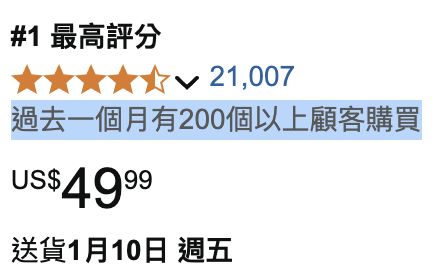
個體的行為或許不能以常理預測,但群體的行為一般有規律性,具有一定的重現性。研究人類行為的科學我們稱之為心理學。在消費行為上,經常出現的一種心理學現象,稱為「從眾效應」(或稱「羊群效應」)。當你看到心儀的貨品有200個訂單以上,再滑下去看看留言、正面評價,更容易產生購買衝動,因為這暗示著產品的可靠性。
然而這些平台不能放任用戶隨便留言。心理學中有負面偏誤(Negativity Bias)的概念1。即面對性質相近的正面和負面評價,人們傾向將負面評價放大而忽視正面的評價。單單一個不負責任或片面的留言就足以毁滅一個產品。平台需要在呈現用戶負面反饋和維護產品形象之間取得平衡。如何有效篩選、處理和呈現評價,成為一個重要的課題。情緒化評論與客觀評測對消費者決策的影響程度如何?平台在眾多的留言中作出篩選時應如何取捨?這些都是需要深入探究的科學領域。
評價工程:利用大數據分析出有利銷售的評價
Marketing 4.0 的概念於 2016 年被提出2,強調了在資訊爆炸的世代,以人為本的數位化營銷策略的重要性。客戶的流動性增加,他們非常容易在身邊找到不同替代品。品牌需要更精準、高效的策略來吸引消費者。在這新世代背景中,網上平台如何篩選出令人印象深刻,一擊即中的高效評價並把其轉化成銷售率?一項研究3利用人工智能對網上平台的評價大數據進行了文本情感分析,反映用戶評價的情感、評分和滿足度比品牌忠誠度更能影響購買意願。
電商平台掌握數以萬計的商品評價,利用大數據分析及機器學習的方法,不難找出每種評價風格與銷售額的相關性。平台更可以按不同消費分類,篩選並突出有效的正面評價和負面評價,從而提升銷售轉化率。因此網商在平台設計上,需要投放大量資源進行數據分析及工程規劃,才能吸引網絡用戶使用。
以數學模型加權:向消費者呈現最具說服力的優質評價
在網上平台上,一般用家都只會提供簡單或者內容空洞的評語,並隨心地提供「星數」的評級。傳統的平均評分法容易受到惡意評價或不認真評價的影響。然而平台上都往往有一些非常熱心的用戶會提供鉅細無遺的回顧,甚至附加相片及個人感受。他們的意見比其他用戶更有說服力。如果在評分系統中提升這些優質用戶的評分權重,使他們的評價更具影響力,可以讓平台的推薦結果更為專業及可信。
在數碼世代中掌握網絡營銷策略,包括SEO (搜尋引擎最佳化)、社群媒體營銷和數據分析等,已成為商業領域的必備技能。理解消費者心理,運用數據科學分析,能讓營銷策略更有效,並為推廣計劃提供可靠的數據支持。利用科學探究人性,使用大數據科技和數學模型引導行銷工程,以人文聯繫商家與客戶,這些都是 STEAM 在網絡行銷的重要角色。
中大物理系畢業,港大教育碩士(專修STEM,Dean's Honour List)。曾任中學 STE(A)M 統籌七年,打理Youtube Channel 井頻道。現居日本,與同學分享所見所聞。
A Single Point Decides Life or Death: The STEAM Concept of User Ratings
In the era when internet information was not freely accessible, consumers relied heavily on the information provided by agents to make consumption decisions when purchasing services or products they could not see or experience firsthand. Relying on their professional knowledge, market insights, and understanding of consumer psychology, agents played a critical role in transactions. Therefore, even today, agents still hold an important place in fierce global competition. However, professional services come at a price, and purchasing products or services through agents incurs a certain amount of agency fees. Furthermore, because agents possess more product information than ordinary consumers, in situations of information asymmetry, they might conceal negative information. Consumers may make wrong decisions based on incomplete information, indirectly harming their interests.
With the popularization of internet information and the rise of B2C platforms, consumers can now directly contact manufacturers, bypassing traditional agents. However, these online platforms do not provide the professional services of agents; they merely offer a platform for companies and consumers to exchange transaction information. How can these platforms ensure consumers feel confident about their purchases? They devised a low-cost, highly efficient method: allowing consumers to exchange information directly on the platform. By utilizing certain concepts from behavioral psychology, they made consumers more comfortable consuming on the platform and consequently increased sales. What STEAM concepts have these online platforms applied? What can we learn from them?
Letting Science Lead the Way: Understanding Consumer Psychology
While individual behavior may not be predictable by common sense, group behavior generally follows patterns and exhibits a certain degree of reproducibility. The science that studies human behavior is called psychology. In consumer behavior, a frequently occurring psychological phenomenon is known as the "Bandwagon Effect" (or "Herd Effect"). When you see that a desired product has over 200 orders, and you scroll down to see comments and positive reviews, it is easier to generate an impulse to buy, as this implies the product's reliability.
However, these platforms cannot simply allow users to leave comments unchecked. In psychology, there is the concept of Negativity Bias [1]. This means that when faced with positive and negative evaluations of a similar nature, people tend to amplify the negative reviews and ignore the positive ones. A single irresponsible or one-sided comment is enough to destroy a product. Platforms need to strike a balance between presenting negative user feedback and maintaining the product's image. How to effectively screen, process, and present reviews has become a crucial subject. To what extent do emotional comments versus objective evaluations influence consumer decision-making? How should platforms make trade-offs when filtering through numerous comments? These are all scientific areas that require in-depth exploration.
Review Engineering: Leveraging Big Data to Extract Sales-Driving Reviews
The concept of Marketing 4.0 was introduced in 2016 [2], emphasizing the importance of human-centric digital marketing strategies in the age of information explosion. Customer mobility has increased, and they can easily find different alternatives around them. Brands require more precise and efficient strategies to attract consumers. In the context of this new era, how do online platforms filter out impressive, high-impact reviews and convert them into sales rates? One study [3] utilized artificial intelligence to conduct textual sentiment analysis on big data of reviews from online platforms, showing that the sentiment, rating, and satisfaction reflected in user reviews influence purchase intent more than brand loyalty does.
E-commerce platforms possess tens of thousands of product reviews. By utilizing big data analysis and machine learning methods, it is not difficult to find the correlation between each review style and sales volume. Platforms can even categorize consumers, filter, and highlight effective positive and negative reviews, thereby improving sales conversion rates. Therefore, e-tailers need to invest massive resources in data analysis and engineering planning during platform design to attract internet users.
Weighting with Mathematical Models: Presenting the Most Persuasive High-Quality Reviews to Consumers
On online platforms, general users typically provide simple or empty comments, casually giving a "star" rating. The traditional average rating method is easily influenced by malicious or thoughtless reviews. However, platforms often have highly enthusiastic users who provide incredibly detailed reviews, even attaching photos and personal feelings. Their opinions are more persuasive than those of other users. If the weight of these high-quality users is increased in the rating system, making their reviews more influential, the platform's recommendation results can be more professional and credible.
Mastering digital marketing strategies in the digital age, including SEO (Search Engine Optimization), social media marketing, and data analysis, has become an essential skill in the business field. Understanding consumer psychology and applying data science analysis can make marketing strategies more effective and provide reliable data support for promotional plans. Using science to explore human nature, employing big data technology and mathematical models to guide marketing engineering, and using the humanities to connect merchants and customers—these all demonstrate the important role of STEAM in digital marketing.
References:
- Rozin, P., & Royzman, E. B. (2001). Negativity bias, negativity dominance, and contagion. Personality and social psychology review, 5(4), 296-320.
- Marketing 4.0: Moving from Traditional to Digital, Author: Philip Kotler, Hermawan Kartajaya, Iwan Setiawan
- Hossain, M. S. (2024). Textual feature engineering for purchase intent and customer satisfaction: Insights from marketing 4.0 and sentiment. Sustainable Futures, 8, 100385.