
為人類行為定價:碳排放權及碳稅
現代社會中,人類的種種活動,例如工業生產、交通運輸、畜牧等,皆與碳排放息息相關,並與我們的食衣住行緊密相連。過度的經濟擴張促使社會走向過度消費,導致我們產生更多非必要的碳排放。目前,碳排放的主要來源是化石燃料的燃燒,此過程會釋放二氧化碳(CO₂)等溫室氣體。這些氣體會加劇溫室效應,導致全球氣溫上升,進而引發極端氣候、海平面上升與生態失衡等問題,對環境與人類社會造成災難性的影響。因此,各國政府開始採取新的手段,試圖以市場力量來限制人類的過度排放。
食衣住行中的碳排放
人類的碳排放與日常生活密不可分,從食、衣、住、行四個層面來看:
- 服裝產業涉及大量的能源與水資源消耗,其生產與運輸過程會排放大量的二氧化碳(CO₂)。全球時尚產業每年排放約 12 億噸的 CO₂,約佔全球碳排放量的 10%。近年來興起的「快時尚」(Fast Fashion)更助長了人類製造及丟棄更多衣物的行為。研究顯示,生產一件棉質 T 恤約需耗費 2,700 公升的水,且丟棄後的衣物在分解過程中也會排放碳。由此可見,快時尚對全球暖化的影響不容小覷。
- 肉類是人類的主要糧食之一。根據聯合國糧農組織(FAO)的數據,全球畜牧業每年排放約 70 億噸的 CO₂ 當量[1],佔全球溫室氣體排放量的約 14.5%,其中牛隻反芻所釋放的甲烷(CH₄)是主要的排放源。在全球化的背景下,許多國家會從國外進口食物,而這些長距離的運輸過程也會產生相當數量的碳排放。
- 在高密度人口的居住環境中,人類活動同樣會產生大量的碳排放。例如,為了維護治安而需要長期點亮的照明系統、運送我們回家的電梯,以及維持公共衛生與健康的通風和空調設備等等。這些包含了人類日常生活的能源消耗以及建築物建造時所產生的碳排放。國際能源署(IEA)指出,建築物作為最終能源消耗端點,其碳排放量佔全球總二氧化碳排放量的 39%。
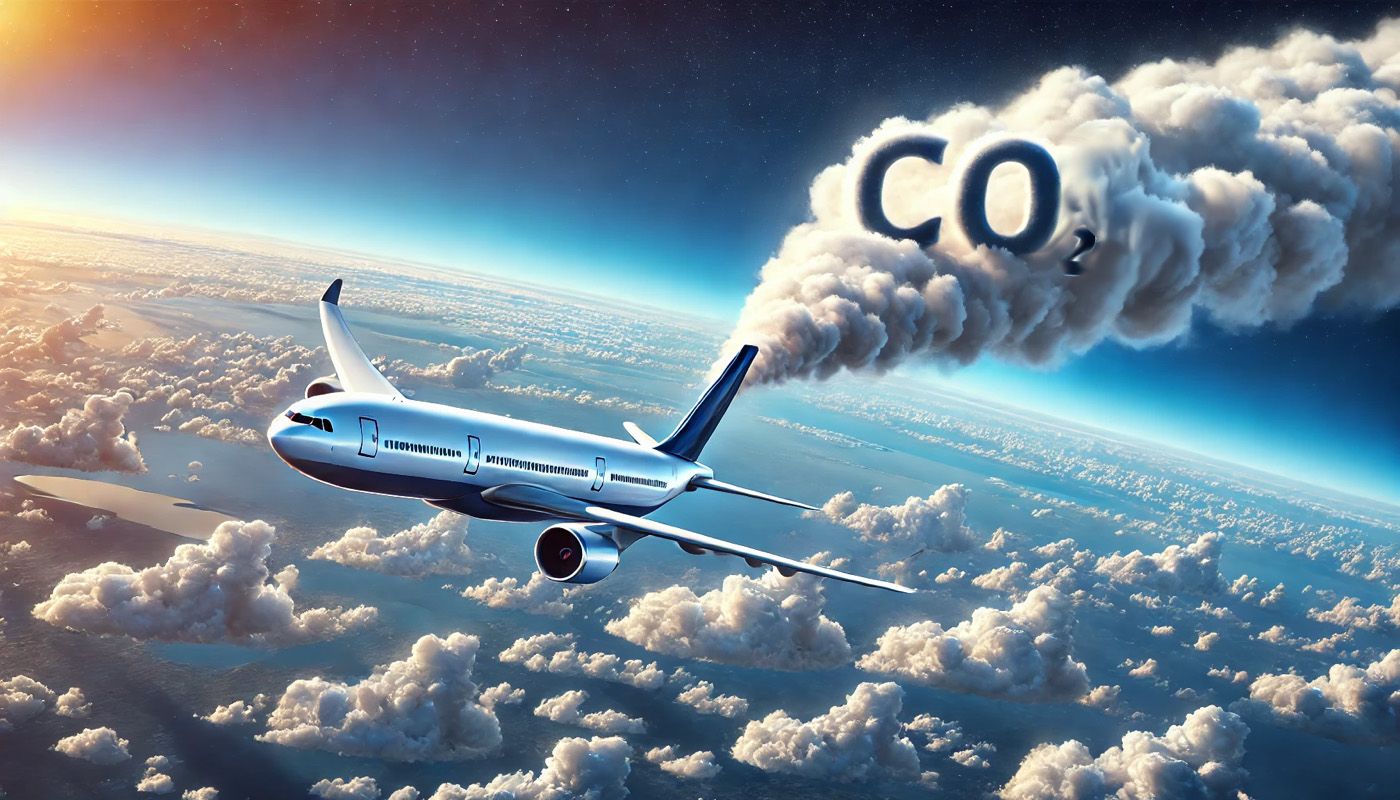
- 根據美國環保署(EPA)的數據,一輛燃油汽車每年平均排放 4.6 公噸的 CO₂。香港人熱愛旅遊,然而,飛機作為一種交通工具,其碳排放量更是驚人。以一架滿載的 A321neo 客機從香港飛往台北為例,單程就可能排放 11 公噸的 CO₂。
- 碳捕捉與封存(CCS, Carbon Capture and Storage): 從大型排放源中捕捉 CO₂,然後透過管道將其注入地下進行儲存。例如,胺基溶劑(如 MEA, Monoethanolamine)可以吸收煙道氣中的 CO₂ 並形成新的化合物,透過加熱則可逆轉反應,再次釋出 CO₂ 並將其儲存於地層中。
- 碳捕捉與利用(CCU, Carbon Capture and Utilization): 將二氧化碳轉化為有用的產品,大家熟知的光合作用即是其中一種方式;利用藻類的光合作用配合微生物,生產出生質燃料或蛋白質飼料。化學上亦可透過催化劑與氫氣(H₂)反應生成甲醇(CH₃OH)、乙醇、烯烴等燃料或化學品。
- 直接空氣捕捉(DAC, Direct Air Capture): 使用化學吸收劑從大氣中直接捕捉 CO₂,然後進行儲存或再利用。例如,利用強鹼(如氫氧化鈉 NaOH)吸收 CO₂,生成碳酸鈉(Na₂CO₃),再透過加熱釋放 CO₂。瑞士 Climeworks 的 DAC 設施,每年可捕捉 4,000 噸的 CO₂,其中一部分更可銷售給企業(例如可口可樂,用於碳酸飲料)。
以市場力量換取碳排放的權利
碳交易是一種市場機制,旨在減少溫室氣體的排放,特別是二氧化碳(CO₂)。其基本原理是將碳排放權作為一種商品進行交易,以此鼓勵企業和國家減少排放。政府或相關機構會設定一個總體的排放上限,並將這個上限分配給各個企業或國家,這些分配的額度稱為碳配額。如果某個企業的實際排放量低於其所獲得的配額,則可以將多餘的配額出售給其他排放量超過配額的企業。透過這種方式,市場上便形成了一個碳交易市場。碳交易的目的是透過經濟誘因促使企業採用更清潔的技術和方法,從而減少整體的碳排放量。企業若能有效地減少排放,便能在市場上獲得經濟利益。因此,整個碳排放權的交易是一個複雜的市場機制,它將環保概念量化為一種可交易的利益,並以此進行管制。
碳捕捉與碳補償
儘管碳交易及碳排放權的買賣已在不同國家實施,但其成效仍未盡如人意。一方面,碳排放的價格對於某些高價產品或已開發國家的民眾而言,可能微不足道;另一方面,對於一些發展中國家而言,碳交易的處理過程複雜且難以有效監控。因此,人類需要採用更主動的方式來減少大氣中的碳含量,包括採用碳捕捉和碳補償等措施。
目前,碳捕捉技術主要有三種:
在上述技術中,DAC 技術屬於主動的負碳排放技術,對於一些難以降低碳排放的機構,例如航空公司而言,這種碳補償的做法是實現企業碳中和的重要手段。然而,這些技術目前仍受到成本過高,或可能導致整體能源及生產效率降低等因素的限制,因此僅能作為示範,而未能廣泛應用。
部分企業也會透過資助科研或社區計畫等方式,間接地降低碳排放,從而達到碳補償的效果。

碳稅讓環保責任成為一種可量化的稅項
碳稅透過對碳排放量課徵稅款,將環保責任轉化為可量化的經濟成本。企業與個人需為其排放的每噸二氧化碳(CO₂)支付稅金,從而促使他們採取減碳行動。政府可藉此將環境成本內部化,鼓勵產業投資於綠色技術與低碳能源,同時提升消費者對環保產品的需求。碳稅機制確保污染者承擔應有的責任,並提供明確的市場訊號,使企業在經濟與環境永續之間找到平衡點,進而減緩全球暖化的速度。
[1] 不同溫室氣體每公斤的影響不相同;CO2 當量是指將該溫室氣體的影響換算為多少公斤 CO2 所產生的影響。
Pricing Human Behaviour: Carbon Rights and Carbon Tax
Author: 井 sir, Well Channel
Human activity — industry, transport, livestock — is tightly bound to carbon emissions and to daily life. Over-expansion of the economy has pushed societies toward over-consumption and unnecessary emissions. Most carbon still comes from burning fossil fuels, releasing greenhouse gases such as CO₂. These intensify the greenhouse effect, raise global temperatures, and bring extreme weather, sea-level rise and ecological imbalance. Governments have therefore turned to market tools to restrain excess emissions.
Carbon in clothing, food, housing and travel
- Fashion uses large amounts of energy and water. The global fashion industry emits about 1.2 billion tonnes of CO₂ a year, around 10% of global emissions. Fast fashion encourages making and discarding more clothes: a cotton T-shirt can take about 2,700 litres of water to produce, and discarded garments still emit carbon as they break down.
- Meat is a staple. FAO figures put livestock at about 7 billion tonnes of CO₂-equivalent a year, some 14.5% of global greenhouse gases, with methane from cattle a major source. Long-distance food imports add transport emissions.
- Dense cities emit through lighting for safety, lifts, ventilation and air-conditioning, plus the carbon embodied in buildings. The IEA notes that buildings, as an end-use of energy, account for 39% of global CO₂.
- The US EPA estimates an average petrol car emits 4.6 tonnes of CO₂ a year. Aviation is heavier still: a full A321neo from Hong Kong to Taipei may emit about 11 tonnes of CO₂ one way.
Trading the right to emit
Carbon trading treats emission rights as a commodity. A cap is set and allowances allocated. Firms that emit less than their quota can sell the surplus to those that emit more. The market is meant to reward cleaner technology. In practice it is a complex system that turns an environmental idea into a tradable interest.
Capture and offset
Trading has not always delivered. The carbon price can be trivial for expensive goods or rich consumers, and hard to monitor in developing economies. More active methods are needed: carbon capture and storage (CCS), capture and utilisation (CCU), and direct air capture (DAC). DAC is a form of negative emissions, useful for hard-to-abate sectors such as aviation, but cost and energy penalties still limit it to demonstration plants. Some firms also fund research or community projects as indirect offsets.
Carbon tax as a measurable duty
A carbon tax charges each tonne of CO₂, internalising environmental cost, encouraging green technology and giving a clear market signal so firms can balance profit with sustainability.
[1] Greenhouse gases differ in impact per kilogram; CO₂-equivalent converts that impact into kilograms of CO₂.