
科藝:以科技呈現的藝術
科藝(科技藝術)是一種融合科技(Technology)與藝術(Art)的跨領域概念。它為藝術創作提供了全新的表達方式,使觀眾能夠透過多層次的感官體驗,探索創新與美學的結合。在科技日新月異的今日,藝術亦隨之發展,不斷衍生出創新的表現形式。這類新興藝術不僅拓展了藝術的邊界,也創造了各種商機,並逐漸融入我們的日常生活。
人與環境的互動:從感官開始
基礎科學告訴我們,人類透過感官與外界互動。眼、耳、口、鼻和皮膚分別對應視覺、聽覺、味覺、嗅覺與觸覺,而人與環境的交流正是基於「接收-分析-反應」的模式進行。俄國作家托爾斯泰(Tolstoy)曾說:「藝術是傳遞人類情感的媒介。它讓人透過感官接收他人的情感(Feelings),進而體驗創作者的情緒(Emotions)。」可見,感官是藝術的起點。
多層次的感官體驗不僅能加深情感傳遞,也為藝術創作帶來更多可能性。例如,混合實境技術(MR)透過視覺干預,如 VR 眼鏡,將虛擬物件融入現實空間,為觀眾帶來更沉浸式的藝術體驗。
科技催生新媒介
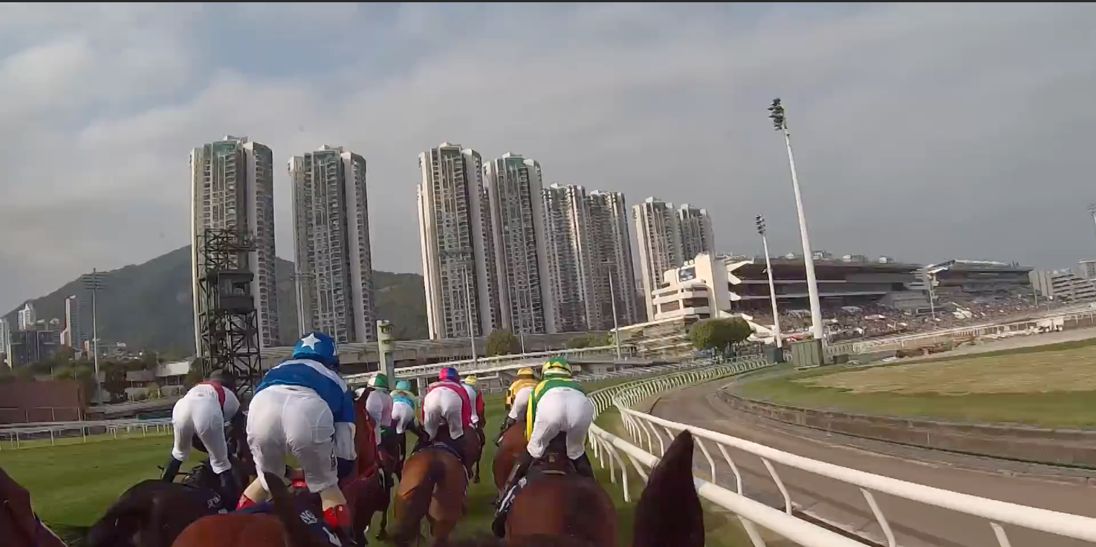
隨著科技進步,藝術的表現方式亦不斷演變。運動相機、360 度攝影機、航拍機、機械人攝影等設備的普及,使內容創作者能以高解析度影像靈活構思與執行創作,進而呈現過去難以想像的藝術作品。
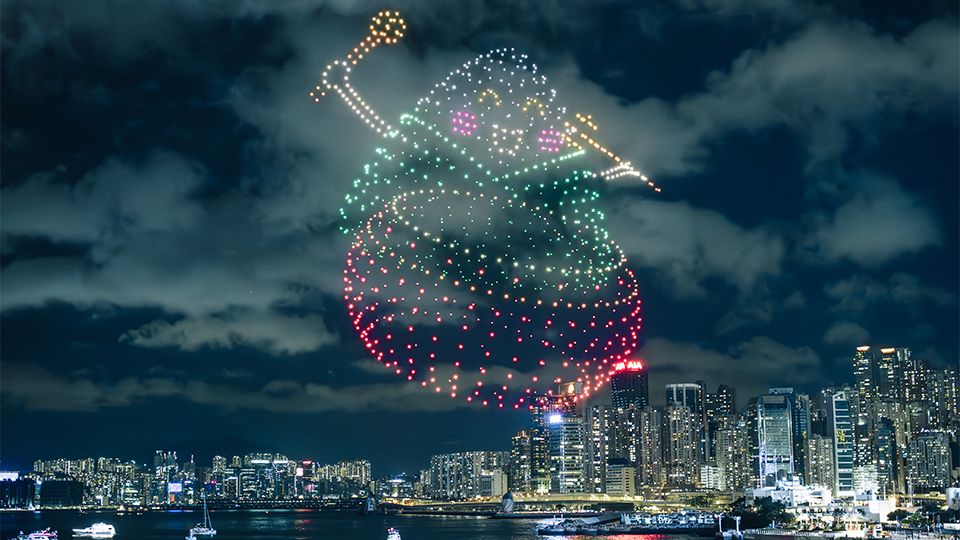
此外,通訊技術的發展也推動了藝術的創新應用。例如,無人機表演透過編程與空間模擬工具,開創了一種嶄新的藝術演出模式。相較於傳統煙火表演,無人機表演擁有更高的可變性,同時更加環保,展現了科技與藝術融合的無限可能。
強調互動的新派藝術
自 2001 年起,TeamLab 持續打造不同展覽,專注於科技藝術與參觀者之間的互動。他們的團隊成員涵蓋藝術家、程式設計師、工程師、CG 動畫師、數學家、建築師等多領域專家。參觀者在展覽中的移動與行為會被電腦偵測並計算,進而改變投影畫面。例如,揮手可觸發煙火、步行可「切開」水果、跳躍可產生水花,甚至能透過手機將影像上傳至雲端,進一步改變展示內容。
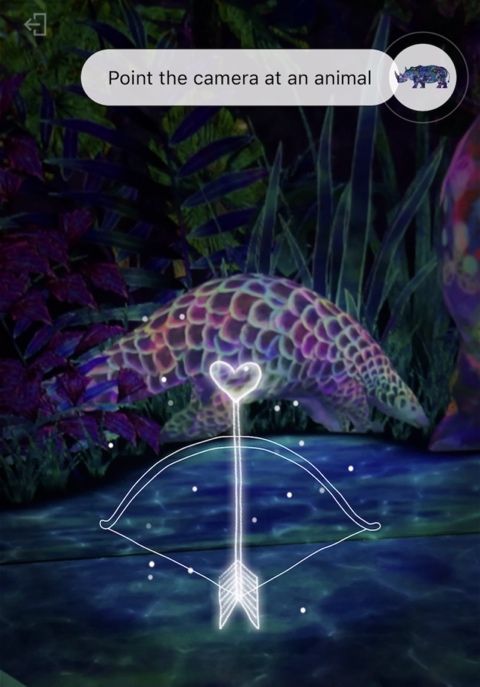
筆者去年曾帶領遊學團參觀位於福岡的 TeamLab Forest,該展覽透過 MR 技術,讓參觀者以互動方式捕捉森林中的動物,並透過手機閱讀瀕危動物的相關資訊。此外,展覽亦巧妙運用環繞聲效,使觀眾在視覺體驗的同時,透過聽覺感受空間變化與環境氛圍,進一步提升沉浸感與參與度。這種創新的互動方式,使環境保育訊息更容易被大眾接受,相較於傳統的文字說明,更具感染力與教育意義。
科技藝術與精確的空間資訊
科技藝術往往涉及精密的數學與科學概念,其中幾何學便是常見的應用。例如,在設計裝置藝術、建立虛擬實境、進行三維建模時,都需要運用幾何學的知識。
許多投影藝術需要將影像投射在不平坦的表面,因此必須透過程式精確調整投影大小與比例,並考量光線強度與材質特性。不同材質的表面對光線的吸收與反射效果不同,而空氣中的微粒濃度亦會影響光線的散射程度,這些因素皆影響最終的視覺效果。
無人機表演則挑戰創作者對三維空間的掌握能力,需精確計算每一台無人機的位置與運動軌跡,確保演出時呈現預期的視覺效果。這些技術的運用,顯示科技藝術已深入涵蓋 STEAM(科學、科技、工程、藝術、數學)各領域。
總結:科技藝術作為新形態的藝術
科技的發展為藝術帶來更多表達方式,增強互動性,進一步拉近藝術與觀眾的距離,使藝術更加貼近日常生活。科技藝術不僅提供沉浸式體驗與互動性,還創造了無限可能。
在商業領域,科技藝術的應用亦越趨普及。例如,在營銷與推廣活動中,AR(擴增實境)與 MR(混合實境)技術已成為吸引觀眾的重要手段。這些技術的應用,無疑將持續拓展藝術的可能性,並帶來更多創新的視覺與感官體驗。
然而,未來科技藝術是否能夠進一步拓展至「嗅覺」與「味覺」的領域?科技是否能夠模擬特定氣味或味覺,以增強沉浸式體驗?這些問題仍待探索,但無疑將成為未來科技與藝術融合的重要課題。
Tech Art: Art Presented Through Technology
Tech Art (Technology Art) is a cross-disciplinary concept that integrates Technology and Art. It provides a brand-new way of expression for artistic creation, enabling the audience to explore the combination of innovation and aesthetics through multi-layered sensory experiences. In today's rapidly advancing technological era, art is also evolving, continuously deriving innovative forms of expression. This emerging type of art not only expands the boundaries of art but also creates various business opportunities, gradually integrating into our daily lives.
Human-Environment Interaction: Starting from the Senses
Science tells us that humans interact with the outside world through their senses. The eyes, ears, mouth, nose, and skin correspond to sight, hearing, taste, smell, and touch respectively, and the communication between humans and the environment is based on a "Receive-Analyze-React" model. Russian writer Tolstoy once said, "Art is a medium for transmitting human feelings. It allows people to receive the feelings of others through their senses, thereby experiencing the creator's emotions." It can be seen that the senses are the starting point of art.
Multi-layered sensory experiences do not only deepen the transmission of emotions but also bring more possibilities to artistic creation. For example, Mixed Reality (MR) technology uses visual interventions, such as VR glasses, to integrate virtual objects into physical spaces, bringing a more immersive art experience to the audience.
Technology Spawns New Media
With technological advancement, forms of artistic expression are constantly evolving. The popularization of equipment such as action cameras, 360-degree cameras, aerial drones, and robotic photography allows content creators to flexibly conceive and execute creations with high-resolution imagery, thereby presenting artworks that were previously unimaginable.
The development of communication technology has also driven the innovative application of art. For example, drone light shows use programming and spatial simulation tools to pioneer a brand-new mode of artistic performance. Compared to traditional fireworks, drone shows have higher variability and are more environmentally friendly, demonstrating the infinite possibilities of merging technology and art.
New-Age Art Emphasizing Interaction
Since 2001, TeamLab has continuously created various exhibitions, focusing on the interaction between tech art and visitors. Their team members include experts from multiple fields such as artists, programmers, engineers, CG animators, mathematicians, and architects. Visitors' movements and behaviors in the exhibition are detected and calculated by computers, which in turn change the projected images. For instance, waving can trigger fireworks, walking can "slice" fruits, jumping can create water splashes, and visitors can even upload images to the cloud via mobile phones to further alter the displayed content.
Last year, I led a study tour to visit TeamLab Forest in Fukuoka. This exhibition uses MR technology to allow visitors to interactively capture animals in the forest and read relevant information about endangered species through their mobile phones. Furthermore, the exhibition cleverly utilizes surround sound effects, enabling the audience to feel spatial changes and environmental atmosphere through hearing while experiencing the visuals, further enhancing immersion and participation. This innovative interactive method makes environmental conservation messages more acceptable to the public; compared to traditional text descriptions, it is more appealing and educational.
Tech Art and Precise Spatial Information
Tech art often involves precise mathematical and scientific concepts, among which geometry is a common application. For example, knowledge of geometry is required when designing installation art, building virtual reality, and conducting 3D modeling.
Many projection arts need to project images onto uneven surfaces, so it is necessary to precisely adjust the projection size and proportion through programming, and consider light intensity and material characteristics. Surfaces of different materials have varying effects on light absorption and reflection, and the concentration of particles in the air also affects the degree of light scattering; all these factors influence the final visual effect.
Drone performances challenge the creator's ability to master 3D space, requiring precise calculation of the position and trajectory of each drone to ensure the expected visual effect is presented during the show. The application of these technologies shows that tech art deeply covers various fields of STEAM (Science, Technology, Engineering, Art, Mathematics).
Conclusion: Tech Art as a New Form of Art
The development of technology has brought more expressive methods to art, enhanced interactivity, further bridged the gap between art and audiences, and made art closer to daily life. Tech art not only provides immersive experiences and interactivity but also creates infinite possibilities.
In the business sector, the application of tech art is also becoming increasingly popular. For example, in marketing and promotional campaigns, AR (Augmented Reality) and MR (Mixed Reality) technologies have become important means to attract audiences. The application of these technologies will undoubtedly continue to expand the possibilities of art and bring more innovative visual and sensory experiences.
However, can tech art further expand into the realms of "smell" and "taste" in the future? Can technology simulate specific scents or tastes to enhance immersive experiences? These questions remain to be explored, but they will undoubtedly become important topics in the future integration of technology and art.